


Medical Lubricant


Add to wish list
Create new list
What are the clinical applications for medical lubricant?
Medical lubricant is used in gynaecology for speculum insertion during smear tests and pelvic examinations. It is also utilised for catheterisation, rectal examinations, and as a coupling agent for diagnostic ultrasound probes.
What is the difference between lubricant tubes and sachets?
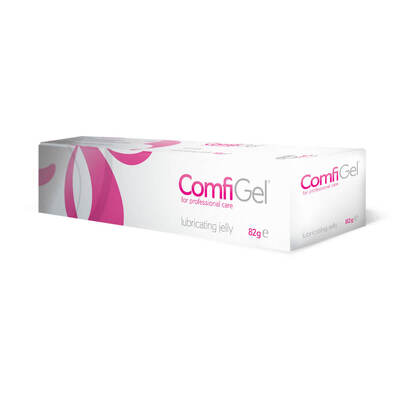
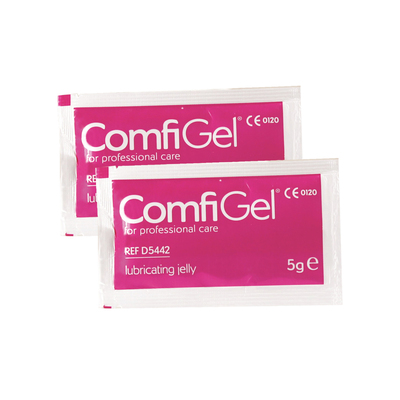
Tubes are used for multi-patient applications where a clean technique is maintained. Single-use sterile sachets eliminate cross-contamination risks and are the preferred choice for sterile procedures and infection control.
Is medical lubricant water-soluble?
Clinical lubricants like ComfiGel and Optilube are water-soluble. This ensures they do not damage rubber or metal instruments and are easily removed from skin and clothing.
Does medical lubricant affect smear test results?
Water-soluble lubricants are formulated to be carbomer-free or low-carbomer to prevent interference with liquid-based cytology. Clinicians apply a thin layer to the exterior blades of the speculum to maintain sample integrity.